IThe Basilica di San Francesco
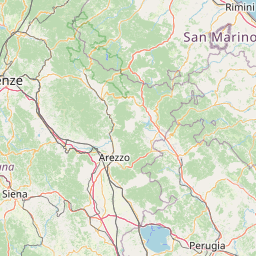
Assisi, Umbria · Begun 1228
Burial church of the Saint, a double church of Romanesque-Gothic genius. The Lower Basilica holds his tomb; the Upper Basilica displays the famous fresco cycle of his life. Pope Gregory IX laid the foundation stone the very day after canonizing Francis — making it one of the fastest-built major churches in history.
IISan Damiano
Below Assisi · c. 1205
The ruined chapel where the crucifix spoke — "repair my house" — and where Francis composed the Canticle at the end of his life. Later given to Saint Clare and her sisters, it remains a convent of Poor Clares to this day.
IIIThe Porziuncola · Santa Maria degli Angeli
Plain below Assisi · Given 1216
The tiny chapel Francis restored with his own hands, the true birthplace of his Order. Here the Franciscan movement began, and here he died on the night of October 3rd, 1226. It now sits enclosed within an enormous basilica, a small thatch within a palace.
IVLe Carceri
Mount Subasio above Assisi · c. 1205
The hermitage-cave where Francis and his brothers withdrew to pray, far from the noise of the world. A forest path of ancient holm oaks still leads to the grotto where he slept on stone.
VLa Verna
Tuscan Apennines · 1224
The mountain of the stigmata. On the Feast of the Exaltation of the Cross, in a vision of the seraph, Francis received the five wounds of Christ. The Sasso Spaccato — the split rock behind which he hid in fear — is still shown to pilgrims.
VIGreccio
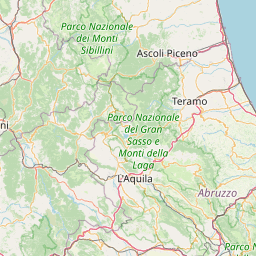
Rieti Valley · 1223
Here Francis staged the first living Nativity scene, with an ox and ass, to make the poverty of Bethlehem palpable. From this quiet hillside the tradition of the Christmas crib spread to the whole world.
VIIFonte Colombo · La Foresta
Rieti Valley · 1223–1225
The Rieti sanctuaries where Francis drafted the Later Rule and sought rest for his failing eyes. He once fled La Foresta by night and was recalled by the famous Sugliano woman, after whom the folk-song "O Francis, do not go" is named.
The world became his monastery, and every road his cloister.
A Franciscan saying